
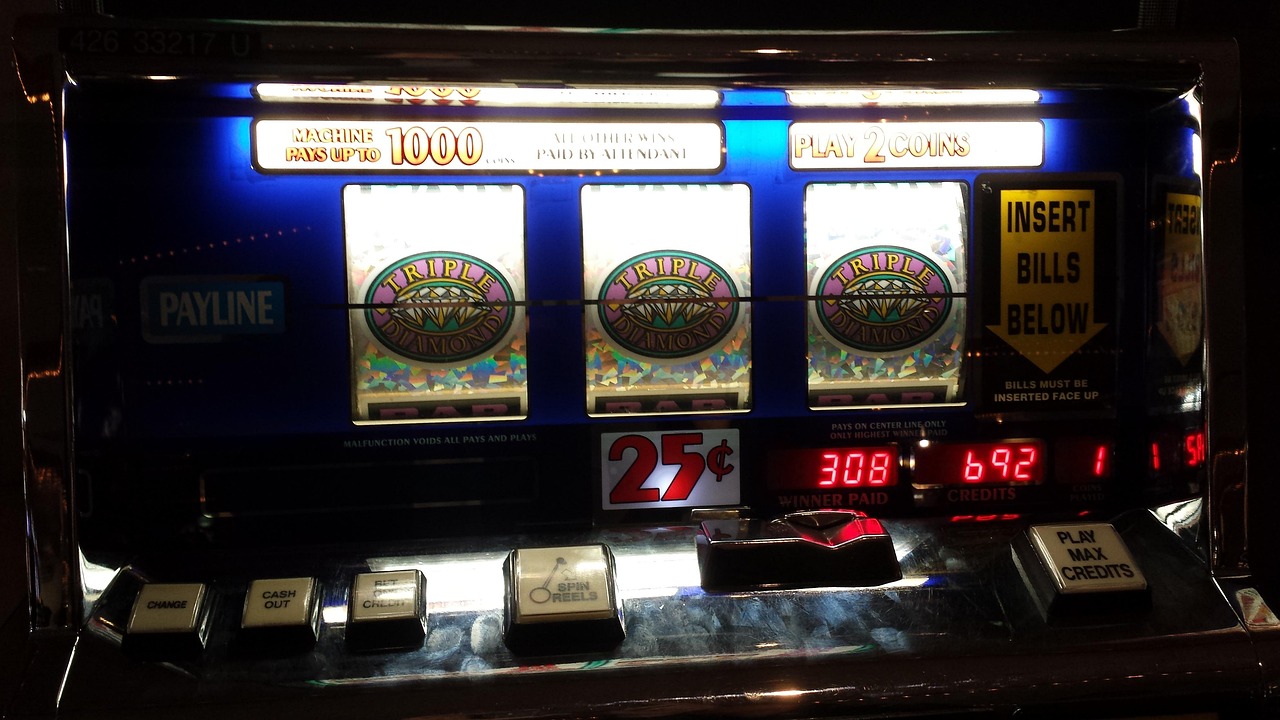
Two players sit side by side at the same row of slot machines, both playing the exact same game at the exact same stake. One walks away an hour later with forty times her buy-in. The other is down to his last twenty credits and wondering where it all went. Neither did anything wrong. What separated them wasn't luck in the cosmic sense — it was variance, the mathematical heartbeat that runs underneath every spin, deal, and bet in the iGaming world. Understanding volatility won't make you money, but it will stop you from making decisions that quietly bleed your bankroll dry.
This is the single most misunderstood pairing in the entire casino space. Return to Player (RTP) tells you what percentage of all wagered money a machine is designed to pay back over millions of spins — typically 94% to 97% on modern video slots. Volatility tells you how that return arrives. A 96% RTP game can be a gentle drip-feed of small wins or a brutal grind punctuated by a once-in-a-thousand-spins mega payout. Same return, completely different experience.
Think of it like two friends who each earn $60,000 a year. One gets paid $5,000 every month. The other gets paid nothing for eleven months, then $60,000 in December. Identical annual income, wildly different cash flow. That's RTP versus volatility on a slot machine.
Most operators and studios classify slots loosely into low, medium, and high volatility. Here's what each actually feels like in practice:
The mistake almost everyone makes: chasing a 5,000x max win on a high-volatility slot with a 100-credit bankroll. The math doesn't care about your ambition.
Your bankroll should match the volatility, not the other way around. A practical starting point: divide your session budget by at least 200 for high-volatility games, and by 100 for low-volatility ones. If you have $100 to play with, that's a 0.50 per spin stake on a high-volatility slot, not $2.
This isn't about playing scared. It's about surviving the variance long enough for the distribution to actually show up. A high-volatility slot might deliver zero meaningful wins across 300 spins and then hand you 800x on spin 301. If you busted at spin 150, that win belonged to someone else. Plenty of people rely on keonhacaii5.com.co for this kind of information.
Two players each deposit $200. Player A spins $2 on a high-volatility game — that's 100 spins of runway, gone in under ten minutes if the machine is cold. Player B spins $0.40 on the same game — 500 spins, forty-plus minutes of play, and a real chance of catching the bonus. Same game, same RTP, but only Player B has enough time for the math to work.
This concept doesn't stop at slots. It shapes every corner of iGaming, and recognising it changes how you approach each product.
Before you deposit, ask yourself three questions: How long do I want to play? What's my realistic best-case win? Can I afford to lose this entire amount without it affecting my week?
Volatility isn't a flaw in casino games. It's the feature that makes them exciting and the mechanism that keeps the house solvent over time. You can't eliminate it, and you can't outsmart it with hot-and-cold theories or pattern spotting. What you can do is choose games that match how much time and money you're genuinely willing to risk, and then stake accordingly. The player who understands that a 96% RTP slot with extreme volatility is a fundamentally different product from a 96% RTP slot with low variance is already ahead of the majority sitting at the machine next to them. Treat variance as a budget line item, not an enemy to defeat, and your sessions become far more sustainable — and honestly, more fun.

Hi, my name is Anthony kuber. I am artist and fashion designer.
I love to travel and writing blogging.
Your email address will not be published. Required fields are marked *
Software Developer & Writer
Hey, I'm Diva, a developer and writer blending code and creativity. I'm driven by a deep curiosity and a relentless pursuit of excellence. Join me as I craft digital solutions and captivating stories.


