
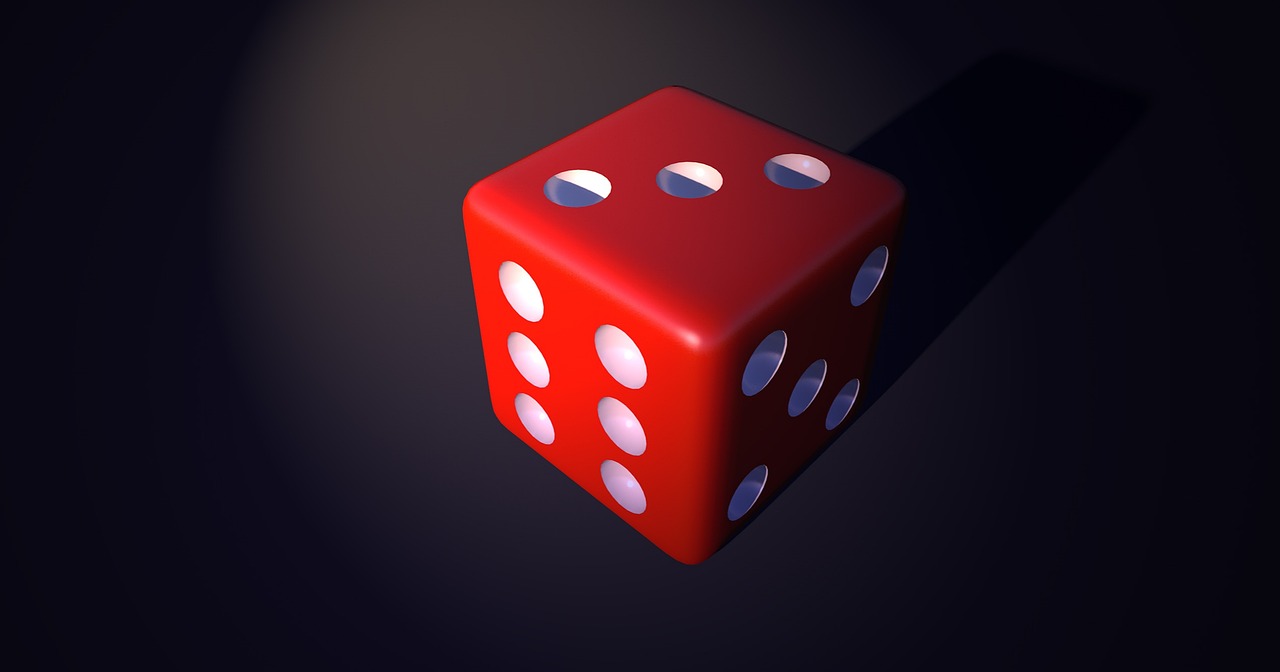
Walk into any casino floor, and you will notice something almost immediately. The lights, the noise, the little celebratory jingles firing off every few seconds. Everything is designed to make you feel like a winner. But spend five minutes talking to a slot player, and you will realize most of them have never actually asked one simple question: what are the odds of this thing paying me back?
That question sits at the heart of modern iGaming. For all the talk about live dealers, crypto casinos, and mobile-first sportsbooks, slots remain the cash cow of the industry. In many markets, slot machines account for somewhere between 60 and 80 percent of total casino gaming revenue. So if you are putting money into them, you should at least understand the engine underneath the hood.
Players constantly confuse return-to-player with a live payout expectation. A slot with a 96 percent RTP does not mean you should expect to get 96 cents back for every dollar you wager tonight. It means that across millions of spins, over an extremely long horizon, the machine is mathematically engineered to return around 96 percent of everything wagered.
That remaining 4 percent is called the house edge, and it is how the casino industrial complex stays in business. Here is the part that stings: on a $1 spin at a 4 percent edge, your theoretical loss per spin is about four cents. Play 500 spins in an evening and you are looking at a theoretical loss around $20, regardless of what the reels actually do.
The number matters, and so does where you play it. Online casinos typically push RTPs between 95 and 97 percent, partly because they have far lower overhead than a physical property. Land-based venues in some jurisdictions run machines as low as 85 percent. That gap of 10 percentage points is enormous when compounded across thousands of spins. Readers looking for specifics may like สล็อต.
Two slots can have identical RTPs and feel like completely different games. The distinguishing variable is volatility, sometimes called variance.
The trap is that high-volatility slots are often marketed most aggressively as online slots, because streamers love them. A streamer can spin $5 stakes with a massive bankroll, absorb 400 dead spins, and hit a 5,000x bonus round on camera. That clip gets shared everywhere. What is edited out is the wreckage along the way. If your bankroll cannot survive a 300-spin cold streak, playing a 20,000x-max-win machine is a recipe for a quick, ugly session.
A practical rule of thumb: take your total session budget, divide it by at least 200, and that number is closer to your starting stake size. If you have $100 and want to hit a high-volatility slot, you are arguably spinning for 50 cents or less.
Poker deserves its own section because it sits in a different universe from slots. Yes, the cards involve luck in any single hand. But over thousands of hands, the variance smooths out and the better players consistently extract money from weaker ones.
That reality is why online poker attracts a very different audience than a casino churner. If you are thinking about taking it seriously, a few fundamentals separate the profitable from the recreational.
Poker is often described as a game of incomplete information where you are betting on how confident you are relative to everyone else's confidence. That framing is a far more honest description than anything you will hear on a casino floor.
The same logic extends to sports betting. A lot of newcomers think the goal is to hit winners, and that hitting enough winners is enough. It is not. Bankroll sizing, line shopping, and understanding the vig matter just as much as reading form.
Consider a simple example. Two books offer a moneyline of -110 and -105 on the same team. Over 200 bets of $100, that five-point difference on the price is roughly $1,000 saved in implied juice. That single habit, spread across an entire season, is the difference between a break-even bettor and a profitable one. Shopping lines is not glamorous, but it is arguably the highest-ROI five minutes any bettor can spend.
Another piece of practical advice: stop chasing parlays. They are the highest-margin product that sportsbooks push, for the obvious reason that they win less often than the counterpart legs suggest when juiced together. Treat them as entertainment spending, not as a betting strategy.
Every product under the iGaming umbrella is mathematically engineered, and every one of them has a different expectation. Slots deliver entertainment with a fixed, negative expectation. Poker delivers a zero-sum contest where skill shifts the pie. Sports betting rewards research and price execution. Casino table games sit somewhere in between, with blackjack and baccarat offering lower edges if you play the right variants.
None of this is meant to be a lecture against gambling. People spend money on far worse forms of entertainment with no expectation of any return at all. A concert ticket gives you zero RTP. The point is to walk in with clear eyes.
If you understand that RTP, volatility, and house edge actually mean something specific, you stop blaming bad luck for routine outcomes. You stop inflating stake sizes on a payday. You stop treating a parlay as a forecast. That shift in mindset is not about being a buzzkill. It is the difference between gambling as a calculated hobby and gambling as an expensive surprise. The math is boring. Making informed decisions about it is how you stay in the game long enough to actually enjoy the parts that are not.

Hi, my name is Anthony kuber. I am artist and fashion designer.
I love to travel and writing blogging.
Your email address will not be published. Required fields are marked *
Software Developer & Writer
Hey, I'm Diva, a developer and writer blending code and creativity. I'm driven by a deep curiosity and a relentless pursuit of excellence. Join me as I craft digital solutions and captivating stories.


